
Experience · Mar 2026 – Present
SubVysion
SubVysion (YC S26) maps underground utilities with ground-penetrating radar. I joined as the first engineering hire, before the company had done any scanning, and led hardware from there: first a scanning push cart, then the rovers the company still runs on today. All of it was designed around what our CEO needed, and refined with him and our software intern as we tested.
First Rover
Under 2 weeks
Designed and built from scratch
Scan Speed
0.5 → 3 m/s
My push cart vs. later rovers on pavement
Compute
3 generations
Upgraded as faster scanning meant more data
Team Build
Whole company
Built a rover together in San Francisco from my guide
Where It Started
When I joined, SubVysion hadn't scanned anything yet. The first thing I built was a hand-pushed scanning cart that carried the radar, cameras, and GPS, so the company could start collecting data and lining up the camera and GPS data with the radar scans. Our CEO, who also wrote much of the early software, decided when that was working well enough to move on to autonomy.
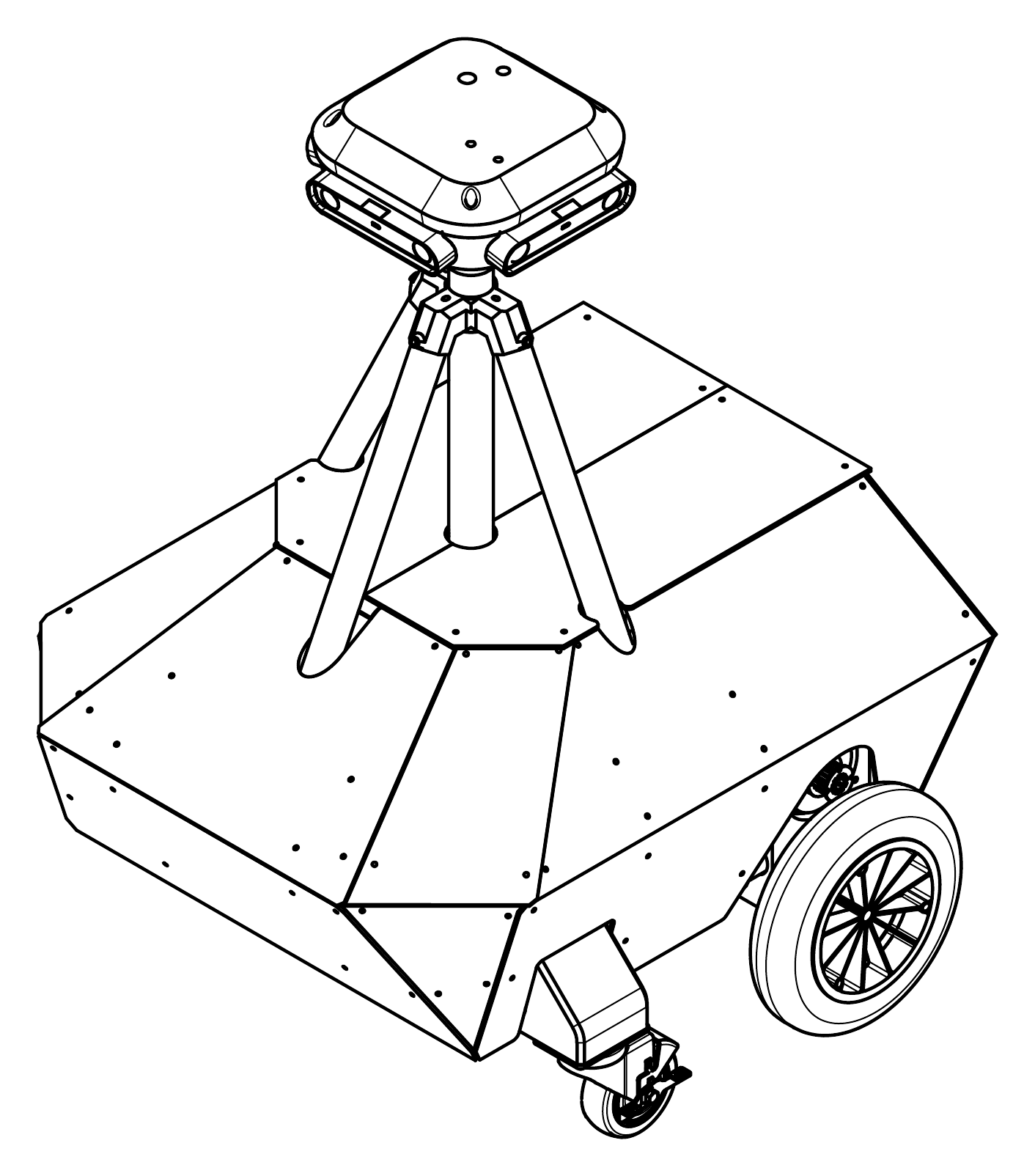
From there I designed the first rover from scratch and had it built in under two weeks. Everything after V1 was iterated alongside testing and real field work on job sites.
Learning From Field Tests
I was designing for our CEO's requirements, so most decisions were made together with feedback from him and our software intern. The camera layout is a good example: the angle of each camera from horizontal and the angle between the cameras were settled by going back and forth on what the software needed to see. After each field test we worked out which fixes belonged in the hardware and which in the code.
The biggest change was the drivetrain. The first rover used skid steering, and on real ground the skidding made turns unpredictable and used a lot of power. I switched to two driven wheels with casters. After looking at how a large agricultural rover was laid out, I moved the casters from the back to the front, and that version was more stable when we tested it.
Later rovers scan at 3 m/s on pavement, six times faster than the cart. Faster scanning meant much more data per minute from three stereo cameras, RTK GPS, an IMU, and the radar, so I upgraded the onboard computer twice as the load grew. We're now comparing LiDAR sensors to add next.
Power and Packaging
I designed the rover's power system around a 36V LiFePO4 battery, with a buck converter feeding a fused 12V line for the electronics and brake resistors to handle energy coming back from the motors. An early version switched power with a contactor that ran hot in use, so I replaced it with an anti-spark switch, which also let us drop a separate pre-charge circuit.
The radar can't have metal in its field of view, which shaped the whole structure: a PVC frame, 3D-printed mounts in PETG and ASA, and ABS body panels. I ordered the panels cut from SendCutSend, my first time designing parts for an outside manufacturer instead of printing them myself.
Building It Together
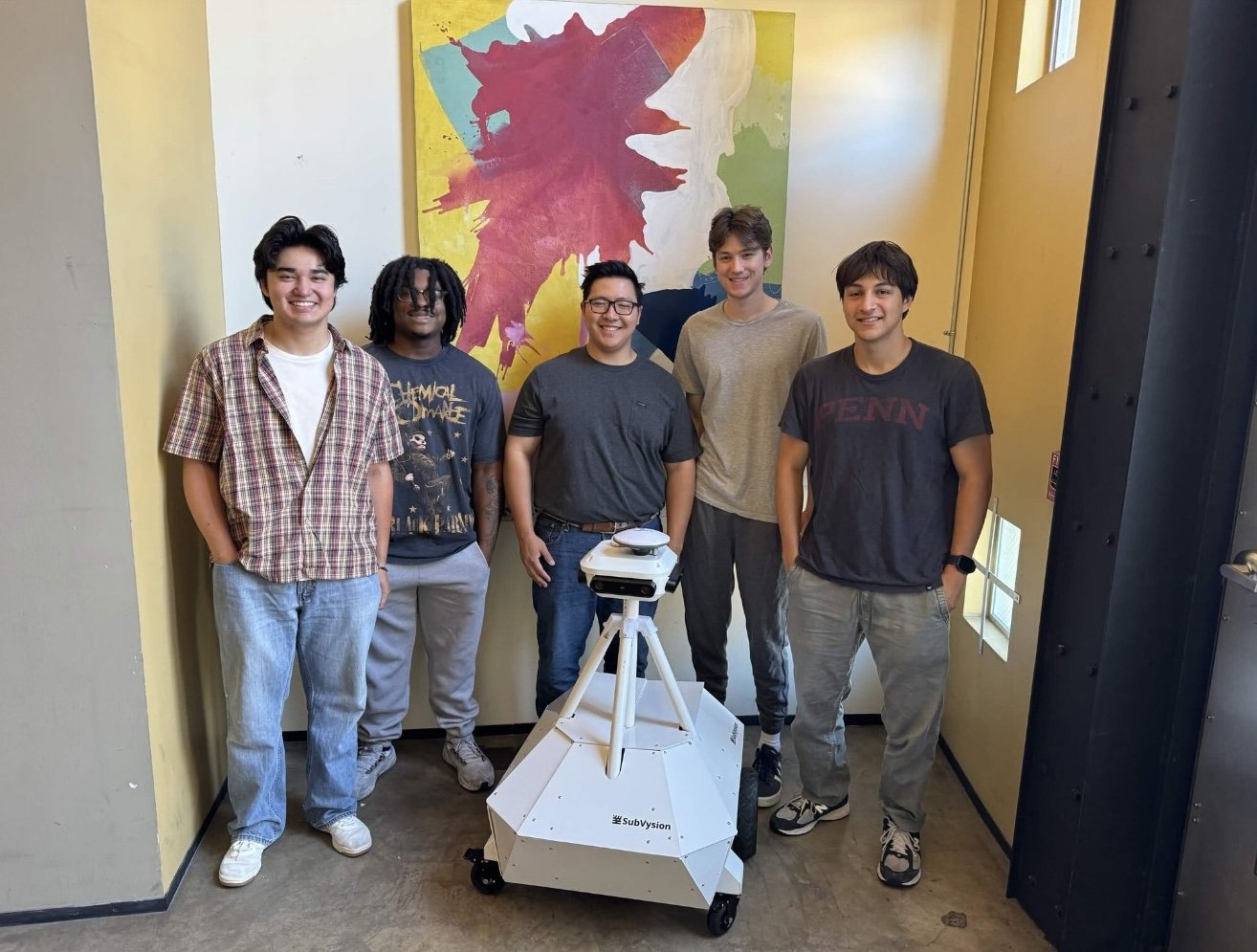
Once the design settled, I was still the only person who knew how to build one. So I wrote a 28-page assembly guide and the parts list. Every module gets an exploded drawing that shows which part is which, how they fit together, in what order, and which fasteners go where. Each one ends with a checkpoint for what should be true before moving on. The guide also flags the mistakes that are easy to make and expensive to undo, and it covers the wiring and first power-up.
The whole company then used it to build a rover together in San Francisco.
Where It Is Now
SubVysion still runs on these rovers. I'm now helping with a more compact redesign, this time as a contributor rather than the lead.